
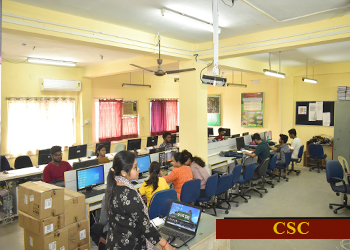
Eduteria World Education Council is essencial for every student life beacouse of -Builds Knowledge and Understanding, Develops Thinking Skills,Opens Career Opportunities, Improves Communication, Encourages Social Development, Promotes Equality, Inspires Innovation and Growth,Builds Confidence and Independence, Shapes a Better Society Educated citizens understand their rights and duties, promoting peace, harmony, and progress in the nation

Welcome to Edulearn
Courses Images

What is CSR?

CSR (Corporate Social Responsibility) means the responsibility of companies to give back to society by supporting activities that promote social, environmental, and economic well-being.

It’s about doing business ethically — not just earning profit, but also helping communities and protecting the environment.

What are CSR Projects?

CSR Projects are the activities or programs a company undertakes as part of its commitment to social responsibility. These projects aim to improve quality of life, protect nature, and support community development.

Legal Requirement (India)

According to Section 135 of the Companies Act, 2013 (India): Companies with a net worth of ₹500 crore or more, or turnover of ₹1,000 crore or more, or net profit of ₹5 crore or more must spend at least 2% of their average net profits on CSR activities every year.

Legal Requirement (India)

Promote education and skill development Support healthcare and sanitation Protect the environment Empower women and children Encourage rural development Contribute to national development goals

Objectives of CSR Projects

Education & Skill Development Building schools, libraries, computer labs Vocational training for youth and women Health & Sanitation Free medical camps, vaccination drives, clean water projects Environmental Sustainability Tree plantation, waste management, renewable energy projects Women Empowerment Self-help groups, entrepreneurship programs, financial literacy training Rural Development Housing, road construction, electricity, and livelihood projects Social Welfare Support for orphans, elderly care, differently-abled individuals

Benefits of CSR Projects

Improves company’s brand image and trust Builds stronger communities Creates sustainable social impact Enhances employee engagement and pride Encourages ethical business practices

Examples of CSR in India

Tata Group: Education, health, and rural development Infosys Foundation: Healthcare and rural upliftment ITC Limited: Sustainable agriculture and water conservation Reliance Foundation: Disaster response and education support


Course Syllabus

Lessons 1: Builds a Positive Brand Image

CSR activities show that a company cares about society and the environment — not just profit. This improves the public reputation and trust among customers, investors, and partners.
People prefer to support brands that act responsibly. CSR helps attract and retain loyal customers who believe in the company’s values.
CSR projects directly help in improving education, health, sanitation, and livelihoods. This leads to stronger and more self-reliant communities.
Employees feel proud to work for a company that gives back to society. CSR increases job satisfaction, motivation, and team spirit.
Many CSR projects focus on tree plantation, clean energy, waste management, and water conservation. This helps protect nature and build a greener future.
CSR builds brand credibility and customer trust, which lead to long-term business success. A responsible brand attracts more investors and business opportunities.
For large companies, CSR is also a legal requirement (under Section 135 of Companies Act, India). Doing CSR properly ensures compliance with law and promotes ethical business conduct.
CSR often inspires companies to create new solutions for social and environmental problems. It encourages innovation and creative thinking within the organization
CSR encourages companies to collaborate with NGOs, government bodies, and social enterprises. This creates greater social impact through teamwork.